It isn’t surprising that liposuction in Los Angeles has gained and maintained its popularity throughout the years. Just about everyone would like to have a slim and flattering figure, and having slender body contours can help a person feel confident in their skin. However, it can be frustrating when diet and exercise fail to achieve results; some pockets of stubborn fat cannot be addressed even with a healthy lifestyle. This is when liposuction comes in handy.
Liposuction is a surgery that eliminates excess fat deposits. As a safe and efficient method for fat removal, liposuction can help a person achieve a slimmer, better-contoured physique.
Schedule Your Consultation TodayAchieved With Liposuction

A SLIMMER BODY
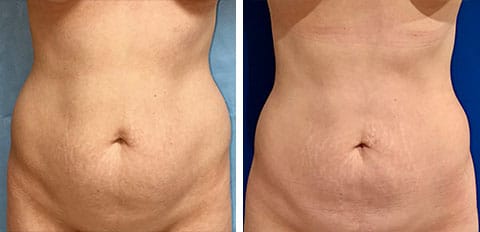
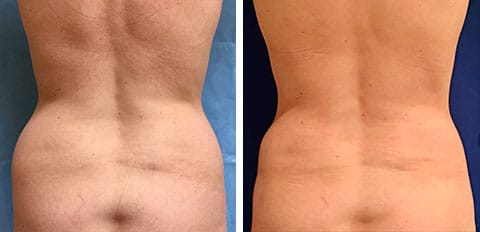
Liposuction is used to target specific areas of excess fat. By removing fat from the target areas, patients can achieve a slimmer body that is more attractive and proportionate to the rest of their figure.
SCULPTED FEATURES
In addition to removing excess fatty tissue, liposuction is designed to sculpt and shape the body’s contours. By using the latest liposuction techniques, Dr. Taylor can easily sculpt the body contours into more flattering shapes, and a reduction of fat can help reveal a more toned and firm body.
CUSTOMIZED RESULTS
Everyone has their unique body and wants to achieve specific results. During a Los Angeles liposuction consultation with Dr. Taylor, he will examine your body and listen attentively to your wants so he can personally tailor your liposuction procedure. He will go over your options and recommend a plan that is designed to meet your individual goals and preferences.
INCREASED CONFIDENCE
Many liposuction patients feel better about how they look and even notice that clothing fits them better, making them confident to wear more revealing outfits. After liposuction, they feel better about their shape and are confident to show off their body in public.
What Does Liposuction Entail?
PROCEDURE
There are many safe and effective liposuction methods available. Dr. Taylor pre-treats the involved areas using the time-tested tumescent technique, which involves the injection of a tumescent fluid before fat removal. The tumescent solution helps break up the fat, making it easier to be suctioned out, shrinking blood vessels so there is less bruising, and numbing the area for pain relief. The next step involves the actual fat removal using a variety of techniques such as power-assisted technique or ultrasound-assisted technique. It really doesn’t matter what technique is used as long as the surgeon has experience and confidence in their preferred technique. In other words, it is not the technique that removes the fat, but rather it is the surgeon and his expertise that removes the fat. Dr. Taylor has been performing liposuction and body contouring for over 20 years and has a wealth of experience in all the newest cutting edge technologies.
RECOVERY
A compression garment or elastic bandage is placed over the treatment area to help with swelling and bruising. This will be worn for several weeks and fits inconspicously under any clothes you may wear. Dr. Taylor will provide the patient with specific instructions on incision care.
Most patients will experience some pain and discomfort that should subside in a few days. The feeling is less surgical and more like a bad bruise. Most patients return to work within a few days. It is recommended that patients rest for the first few days. Bending, lifting, and any strenuous activities should be avoided for at least 10 days. Patients will experience swelling for a few weeks or, in some cases, a few months.
SCARS
By using the tumescent liposuction method, Dr. Taylor can keep the incisions small and discreet. Patients may have some scarring; however, depending on their degree of healing, incisions should fade and become unnoticeable.
COST
The cost of liposuction in Los Angeles can vary depending on the areas being targeted, the surgical plan, the surgeon’s experience, and the geographic office location. Additional cost factors include hospital fees, anesthesia fees, or any other related expenses. Dr. Taylor is an experienced Los Angeles liposuction surgeon who has been performing plastic surgery for more than 20 years. He has a passion for his craft and performs liposuction with precision and skill.
PAIN
Patients may experience some pain or discomfort due to post-surgical swelling and bruising. During surgery, a general anesthetic and intravenous sedation are used to provide patients with optimal comfort. During the recovery process, prescription medications can be taken orally to provide pain management. By utilizing the latest liposuction techniques, Dr. Taylor can perform liposuction surgery involving less pain and discomfort in comparison to traditional methods.
Frequently Asked Questions About Liposuction
Who is the best candidate for liposuction?
The best candidate for liposuction wants to get rid of stubborn excess fat, is in overall good health, and has realistic expectations of the procedure. For the best results, patients should be within an average weight range and have good skin elasticity.
Will liposuction get rid of fat permanently?
Once the fat cells have been removed, they are completely gone; however, patients can develop new fat tissue if they do not maintain their weight. It is important that patients maintain a healthy lifestyle by dieting and exercising even after the procedure to help their results last.
Are there risks and complications associated with liposuction?
There are some risks and complications associated with liposuction, such as:
- Bruising
- Infection
- Rippling or loose skin
- Irregular contours
- Poor wound healing
- Anesthesia risks
- Fluid accumulation
Can liposuction be combined with other plastic surgery procedures?
Liposuction is often combined with other plastic surgery procedures such as tummy tuck surgery, breast augmentation, and breast lift surgery.
Are you ready for your transformation?
Schedule your free consultation today!
Schedule Your Consultation Today